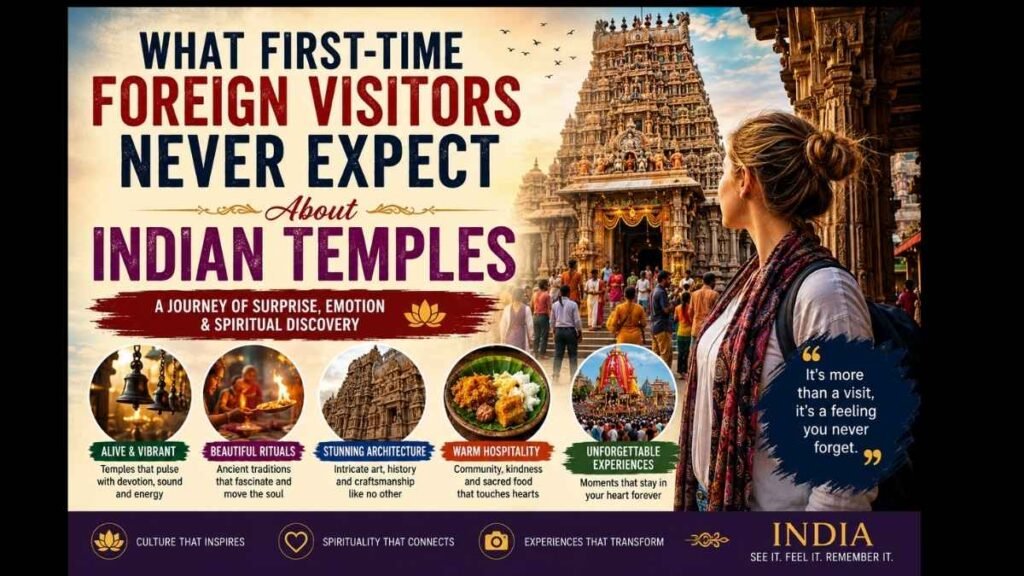
India has become one of the world’s most fascinating destinations for spiritual tourism. Every year, thousands of travelers from the United States, the United Kingdom, Europe, Australia, and other countries visit India not only for sightseeing, but also for cultural experiences, meditation, temple visits, yoga retreats, and peaceful travel.
In 2026, spiritual tourism is growing faster than ever. Many international travelers are moving away from rushed vacations and are instead looking for meaningful experiences that combine history, culture, wellness, and emotional connection.
India offers exactly that experience.
From ancient temples and Himalayan retreats to sacred rivers and coastal spiritual destinations, India gives foreign travelers the opportunity to explore spirituality in many different forms. Some visitors come for meditation, some for architecture, and others simply to understand Indian culture more deeply.
This guide explores some of the best spiritual places to visit in India for foreign tourists in 2026 and explains why these destinations continue attracting travelers from around the world.
Why Spiritual Tourism in India Is Growing
Modern travel trends are changing globally. Many people no longer want vacations focused only on shopping malls, luxury hotels, or crowded tourist attractions.
Travelers are increasingly searching for:
- peaceful experiences
- emotional balance
- authentic culture
- mindfulness
- meaningful travel
India has naturally become one of the leading destinations for this kind of tourism because spirituality is deeply connected with everyday life across the country.
Visitors often describe India as a place that feels emotionally intense, culturally rich, and spiritually unique.
Varanasi – The Spiritual Heart of India
Varanasi is one of the oldest living cities in the world and one of the most important spiritual destinations in India.
Located on the banks of the Ganges River, Varanasi attracts travelers who want to experience:
- ancient rituals
- river ceremonies
- temple culture
- spiritual traditions
The city is especially famous for:
- Ganga Aarti ceremonies
- narrow historical streets
- sacred ghats
- sunrise boat rides
For many foreign travelers, Varanasi feels unlike any other place on earth. The atmosphere is intense, emotional, and deeply connected to tradition.
Many visitors say the city changes their understanding of spirituality and culture.
Rishikesh – Yoga and Wellness Capital
Rishikesh has become extremely popular among international travelers interested in yoga, meditation, and wellness tourism.
Located near the Himalayan foothills, Rishikesh offers:
- yoga retreats
- meditation centers
- peaceful river views
- spiritual learning experiences
The city became globally recognized after famous international visitors and wellness travelers began exploring the area decades ago.
Today, many foreign tourists visit Rishikesh for:
- mental relaxation
- yoga teacher training
- spiritual workshops
- slow travel experiences
The calm environment and natural beauty make it especially attractive for people seeking peaceful travel.
Puri Jagannath Temple – Devotion and Cultural Heritage
Jagannath Temple is one of India’s most respected spiritual destinations and an important center of Hindu culture.
The temple is globally known for:
- Rath Yatra festival
- ancient traditions
- devotional rituals
- spiritual significance
Puri attracts visitors who want to experience:
- temple culture
- spiritual festivals
- coastal traditions
- sacred rituals
The city itself combines:
- spirituality
- beach atmosphere
- cultural heritage
- traditional food
This combination makes Puri one of the most unique spiritual tourism destinations in India.
Bodh Gaya – Center of Buddhist Spirituality
Bodh Gaya is one of the most important Buddhist spiritual destinations in the world.
According to Buddhist tradition, this is where Gautama Buddha attained enlightenment.
Foreign travelers visit Bodh Gaya for:
- meditation
- Buddhist learning
- monastery visits
- peaceful reflection
The destination attracts visitors from:
- Thailand
- Japan
- Sri Lanka
- Europe
- the United States
Many travelers describe Bodh Gaya as calm, deeply spiritual, and emotionally peaceful.
Golden Temple – Spirituality and Community Service
Golden Temple is one of the most beautiful spiritual places in India.
The temple is admired globally for:
- stunning architecture
- peaceful atmosphere
- community service
- hospitality
Foreign tourists are often deeply impressed by the temple’s free community kitchen, which serves meals to thousands of people every day regardless of religion or background.
This experience reflects:
- equality
- kindness
- human connection
- spiritual service
Many travelers consider it one of the most welcoming spiritual destinations in the world.
Char Dham – India’s Most Sacred Pilgrimage Journey
Char Dham is considered one of the holiest pilgrimage circuits in Hindu tradition.
The journey includes four sacred destinations:
- Badrinath (North)
- Dwarka (West)
- Puri (East)
- Rameswaram (South)
For many foreign travelers, Char Dham represents a deeper understanding of India’s spiritual geography and cultural diversity.
The journey allows visitors to experience:
- Himalayan spirituality
- coastal temple towns
- ancient rituals
- regional traditions
- historical architecture
Many international tourists are fascinated by how these four sacred sites connect different parts of India spiritually and culturally.
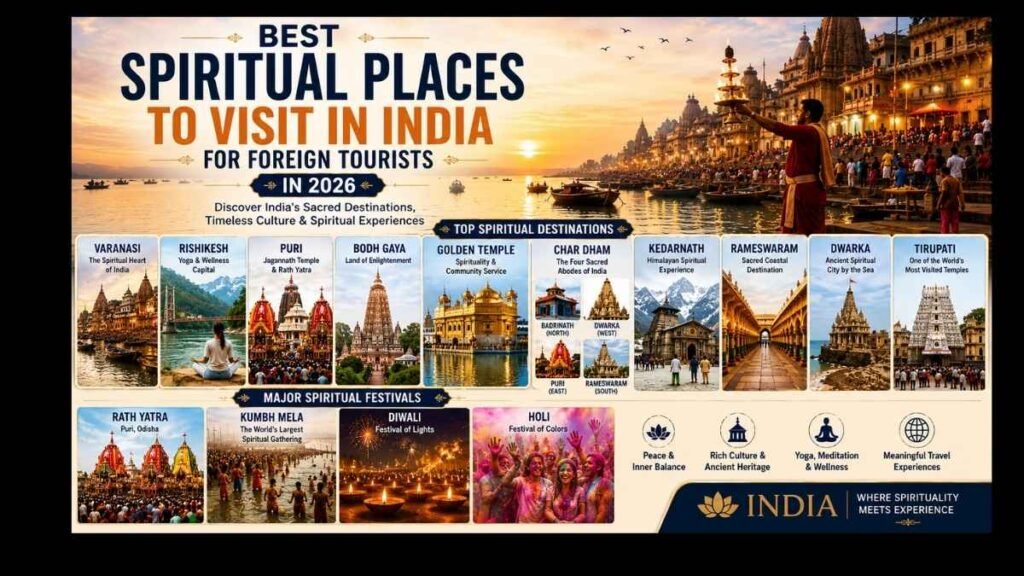
Kedarnath – Himalayan Spiritual Experience
Kedarnath Temple is one of India’s most famous Himalayan spiritual destinations.
Located high in the mountains, Kedarnath offers:
- dramatic natural landscapes
- peaceful atmosphere
- spiritual significance
- pilgrimage adventure
Many foreign travelers are amazed by the temple’s remote location surrounded by snow-covered mountains.
The journey itself often becomes a deeply emotional experience because of the combination of nature, silence, and spirituality.
Rameswaram – Sacred Coastal Temple Destination
Ramanathaswamy Temple is one of India’s most important coastal spiritual destinations.
The temple is famous for:
- long temple corridors
- sacred water rituals
- Dravidian architecture
- spiritual significance
Foreign tourists appreciate the rare combination of:
- beach environment
- temple culture
- peaceful travel atmosphere
- South Indian traditions
Rameswaram is often considered a calmer and slower travel destination compared to large tourist cities.
Dwarka – Ancient Spiritual City by the Sea
Dwarka is one of India’s oldest spiritual cities and an important Char Dham destination.
Located near the Arabian Sea, Dwarka is known for:
- coastal temple views
- mythology
- evening ceremonies
- spiritual traditions
Many international visitors enjoy the peaceful sea atmosphere combined with the city’s historical and spiritual importance.
Dharamshala – Himalayan Retreat for Peaceful Travel
Dharamshala is globally recognized for:
- Tibetan culture
- Buddhist spirituality
- meditation retreats
- mountain scenery
Travelers interested in:
- mindfulness
- peaceful travel
- meditation
- slow tourism
often choose Dharamshala because of its calm environment and natural beauty.
The town attracts spiritual travelers from around the world throughout the year.
Tirupati – One of the World’s Most Visited Spiritual Destinations
Tirumala Venkateswara Temple is one of the most visited spiritual places in the world.
The temple attracts millions of pilgrims annually because of:
- devotional traditions
- spiritual importance
- temple rituals
- cultural heritage
Even foreign travelers unfamiliar with Hindu traditions are often impressed by the scale and organization of the temple experience.
Major Spiritual Festivals That Fascinate Foreign Visitors
India’s spiritual festivals are one of the biggest reasons international travelers become interested in Indian culture.
These festivals are globally recognized for:
- colors
- rituals
- music
- emotional atmosphere
- large-scale celebrations
Rath Yatra – Odisha’s Famous Chariot Festival
Rath Yatra attracts millions of visitors every year.
Foreign tourists are often amazed by:
- giant chariots
- devotional crowds
- traditional celebrations
- spiritual energy
The festival has become internationally recognized through documentaries, photography, and social media.
Kumbh Mela – The World’s Largest Spiritual Gathering
Kumbh Mela is considered the world’s largest spiritual gathering.
Travelers visit to experience:
- sacred river rituals
- spiritual ceremonies
- cultural diversity
- ancient traditions
The festival attracts international photographers, documentary creators, and spiritual travelers from across the globe.
Diwali – India’s Festival of Lights
Diwali is celebrated worldwide and has become one of India’s most internationally recognized festivals.
Visitors enjoy:
- lights
- decorations
- traditional sweets
- family celebrations
- cultural events
Many foreign travelers describe Diwali as one of the most visually beautiful cultural experiences in India.
Holi – Festival of Colors
Holi is famous worldwide for its colorful celebrations.
Tourists often visit India specifically to experience:
- color festivals
- dance events
- music celebrations
- festive atmosphere
Holi has become especially popular among younger international travelers and photographers.
Why Foreign Tourists Enjoy Spiritual Travel in India
Many international visitors say spiritual tourism in India feels different from ordinary vacations because it combines:
- history
- spirituality
- culture
- emotion
- human connection
Unlike typical tourist attractions, spiritual destinations often create meaningful emotional experiences.
Travelers frequently describe:
- peace
- personal reflection
- cultural fascination
- emotional connection
after visiting India’s sacred places.
Important Tips for Foreign Travelers Visiting Temples
International visitors should remember that temples are active spiritual spaces, not only tourist attractions.
Important guidelines include:
- dress modestly
- remove shoes when required
- respect local customs
- avoid loud behavior
- ask permission before photography
Understanding local etiquette improves the experience for both visitors and local communities.
Best Time for Spiritual Tourism in India
The best months for spiritual travel in India are generally:
- October
- November
- December
- January
- February
These months offer:
- comfortable weather
- festival season
- better travel conditions
Many travelers also plan trips around major spiritual festivals.
The Rise of Meaningful Travel Experiences
One major reason spiritual tourism is growing globally is because travelers increasingly want:
- authenticity
- emotional experiences
- cultural understanding
- peaceful travel
- meaningful memories
India naturally provides these experiences through:
- temples
- rituals
- festivals
- spiritual traditions
- sacred landscapes
This is why India continues attracting travelers from around the world.
Final Thoughts
India remains one of the world’s most unique destinations for spiritual tourism. For foreign travelers, the country offers much more than sightseeing. It provides experiences connected with culture, spirituality, peace, history, and emotional discovery.
From the ancient ghats of Varanasi to the Himalayan spirituality of Kedarnath and the coastal traditions of Puri and Rameswaram, India offers diverse spiritual experiences that continue attracting global travelers in 2026.
As international interest in meaningful travel grows, spiritual tourism in India will likely become even more important in the future.
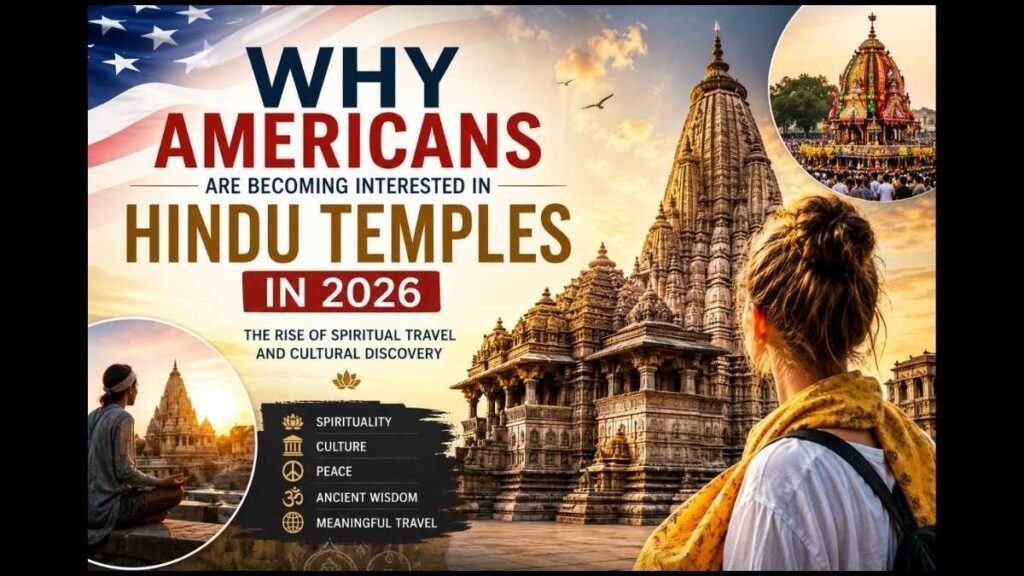
Also Read: Why Americans Are Interested in Hindu Temples in 2026